

Changing the game
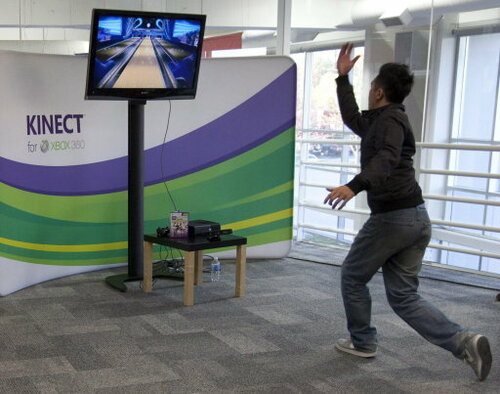
Microsoft's Xbox Kinect changed the way we play games. Last year, it was one of the hottest gadgets of the Christmas season. For the first time, there was no need to use a controller to play video games. Now, it supports voice input, as well as motion input.
Why it's innovative:
Kinect is just the beginning. Imagine Kinect-like technology coming standard with your TV or gaming consoles. It will make in-home entertainment much more immersive. The remote control is dead.
Image: The Canadian Press/Jonathan Hayward
Cutting the cord
Connected TVs are widely available - see Boxee, Apple TV, Roku and a ton of "Smart TVs" from big-name manufacturers such as Samsung and Sony.
Smart TVs give you access to streaming video services like Netflix, Hulu, Vudu, Amazon Instant and YouTube.
Why it's innovative:
Thanks to smart TVs, we're inching closer and closer to a world where we can watch anything we want, whenever we want, over the web. It's going to take a lot of finagling with content providers and cable companies, but we're getting there.
Image: Steve Kovach, The Business Insider
Forget forgetfulness
Google has announced plans for Android@Home, a system that can control household appliances and lights from the Android phone.
Google was light on specifics as to how it would work, but it definitely sounded cool.
Why it's innovative:
Switching your lights on and off? Setting your alarm? Setting your sprinklers to go off? If Google figures out a way to let you do all that from your Android phone, it could be a huge game changer.
The thinner the better?
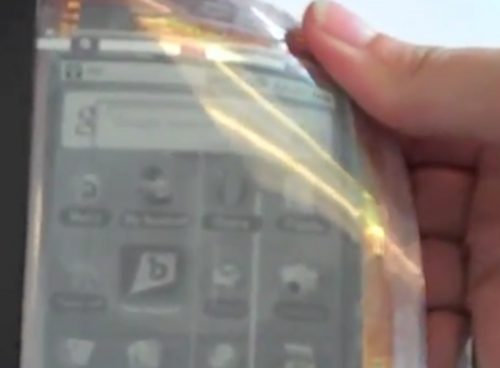
Bendable touch screen displays - sounds weird, right?
But they are very much real. In fact, Samsung has already said it plans to implement bendable displays in it devices starting next year.
Why it's innovative:
Bendable displays can easily be brushed off as a gimmick that would never work, but that's also what people said about touch screens. Imagine being able to roll up a smartphone or tablet and tuck it away neatly in a bag/pocket. And we thought the iPhone was thin.
Reach for the stars...
...or the clouds.
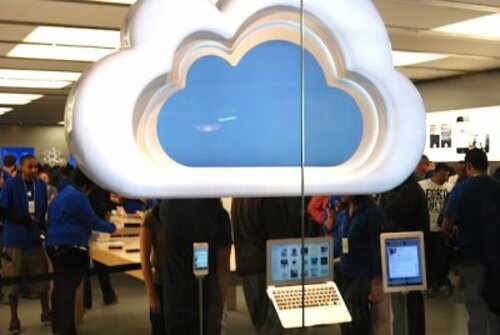
Over the last year, "the cloud" has creeped its way into everday vocabulary. Even Apple got on board, naming its new online storage service iCloud.
But what is it? Simply put, cloud computing will take away the burden of backing stuff up. It will store files, photos, music and more on a remote server which can be accessed from the web.
Then there are those excellent services such as Dropbox and Box.net which act as a virtual folder on the desktop, allowing access from anywhere.
Why it's innovative:
As Internet connections get faster and devices get lighter and cheaper, storing stuff in the cloud is the best way to make sure stuff is backed up. It also saves valuable space on computers, tablets and smartphones.
360 degrees
The Kogeto Dot is a neat clip-on lens for an iPhone 4 or 4S that turns the device into a panoramic video recorder. After filming, the clip can be uploaded and the producer can pull and drag the video so it can be viewed from all angles. You get a new experience every time you watch the video.
Why it's innovative:
There's a ton of potential for a device like the Dot: surveillance, music videos, art projects, legal proceedings, even sporting events. It's a simple, affordable way to capture everything around you.
Road Safety
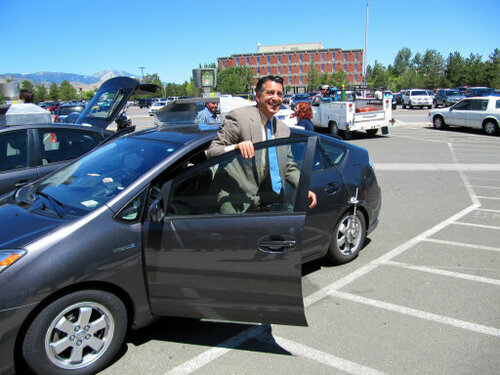
Google has been both mocked and praised for pursuing self-driving cars. The project suffered a blow recently when one of its prototypes crashed. Google is sticking with the project though, challenging the geniuses in its super-secret Google X lab to perfect the driverless cars.
There are even rumors Google plans to manufacture the cars itself.
Why it's innovative:
Once self-driving cars are perfected, the benefits are enormous. It will eliminate safety concerns related to drunk driving, fatigue, or simple driver error.
Image: AP Photo/Sandra Chereb
No need for Specsavers
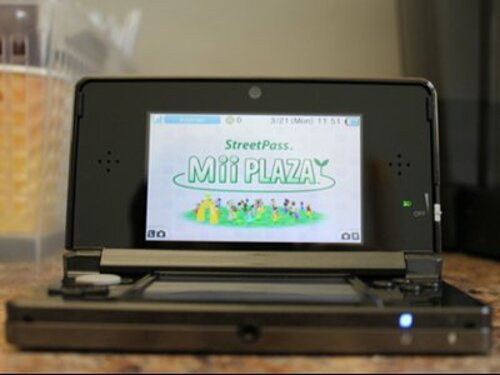
Glasses-free 3D does exist, but it's so expensive right now that manufacturers are holding off. However, there are some mobile devices out there that make use of the technology like Nintendo's 3DS gaming system and HTC's EVO 3D. (Downside: the 3D effects are a bit dizzying and not exactly perfect.)
Why it's innovative:
3D entertainment is wildly popular, just look at all those 3D movies coming out. But wearing glasses to view 3D video is incredibly annoying. The current generation of glasses-free 3D devices aren't perfect, but they're a solid stepping stone.
Mind-numbingly fast
We really wish we lived in Kansas City. Google has selected the town to test its new Gigabit Internet service. What does that mean? That means speeds that are about 100 times faster than what you're used to experiencing with your tired old cable modem.
Why it's innovative:
Thanks to Google, Kansas City will soon be a testbed proving that the technology is practical and can be scaled to serve major cities.
Image: AP Photo/John Cogill
The downside of data centres
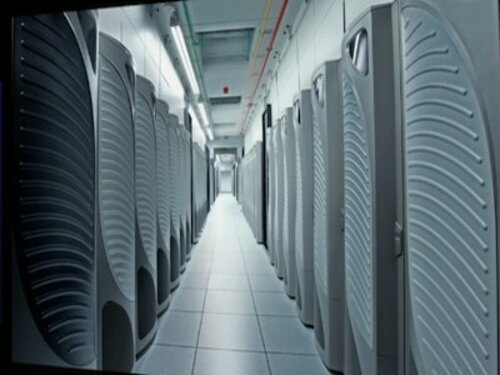
Data centres, built to hold digital information stored in the cloud, are not exactly eco-friendly.
As we move more and more of our digital stuff into the cloud, the companies behind those services are forced to build massive data centers to store it all. Apple has a fancy new one. So does Facebook. Google has several. And they all use up massive amounts of energy. However, some have figured out a way to harness that excess heat and use it to keep homes warm.
Why it's innovative?
If we can continue to figure out ways to efficiently harness the extra heat and energy data centres give off, the benefits could be tremendous.
Image: Apple
It will be EVERYWHERE...
...the Internet, that is.
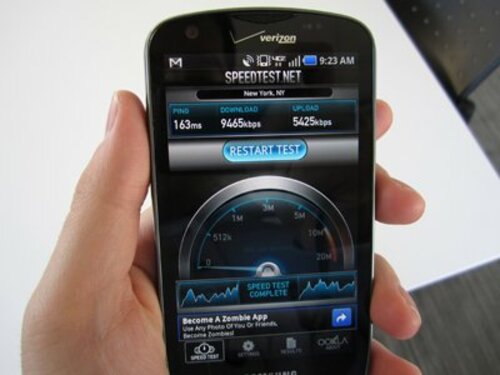
LTE, or Long Term Evolution, is the wireless technology that brings data speeds about as fast as your cable modem to your mobile devices. As the big carriers continue to expand LTE coverage, it's only a matter of time before most urban areas are covered by LTE.
Why it's innovative:
One day we're going to laugh when we look back at a time when it was nearly impossible to find high-speed wireless Internet without popping into a coffee shop. Thanks to LTE chips in phones and tablets, we're finally getting a taste of what it's like to be connected almost everywhere we go. LTE isn't the perfect solution, but it's a step in the right direction.
Siri-ously smart
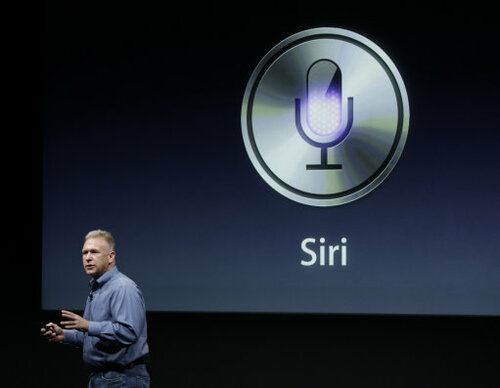
Voice controlled assistants, such as Siri, will only get smarter.
Although Siri isn't exactly true artificial intelligence, Apple's work with voice control is the closest we've come to an intelligent computerised assistant in a consumer device.
Why it's innovative?
Siri, and other apps like it, are only the beginning. They are capable of learning and being perfected. It is conceivable that most of your personal devices will have a Siri-like assistant some day.
Image: AP Photo/Paul Sakuma
State Drives
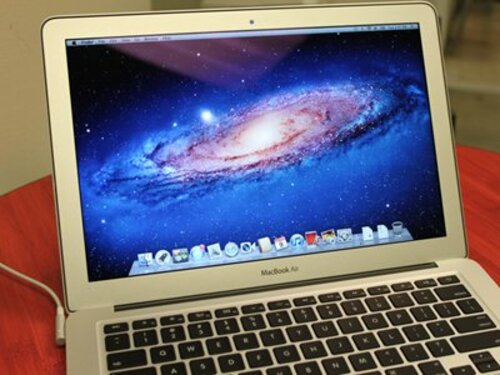
MacBook Air or other Ultrabookb boot up much faster than other laptops. That is because of the solid state drive. SSDs are flash-based storage options that can transfer files much faster than a traditional spinning hard drive.
The downside? SSDs are really expensive now and the most affordable drives only hold between 128 GB and 256 GB - hardly enough space if you want to store a enough movies and music.
Why it's innovative:
Once the price goes down, SSDs will replace traditional hard drives, making computers much faster.
Connectivity
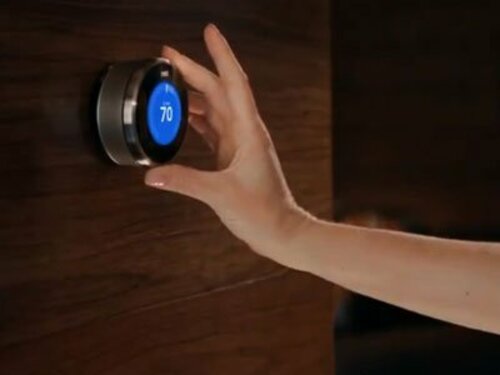
Who knew people would go so crazy over a new thermostat? But that's exactly what happened when the Nest was introduced a few weeks ago. The Nest was quickly called the first "Apple-fied" home appliance. It's not difficult to see why. The Nest is a smart device that adjusts your home's temperature based on your habits. It learns when you're out. It learns when you're sleeping. And the design is simply gorgeous.
Why it's innovative:
This is a major step towards a truly connected home where your appliances do all the thinking for you. Imagine if all your appliances were as smart as the Nest. It'd not only be convenient, but also save you a ton on your electricity bill.
Comments (14 Comments)