
The Daily Edge uses cookies. By continuing to browse this site you are agreeing to our use of cookies. Click here to find out more »
Dublin: 11 °C Saturday 18 May, 2013

13 ways that supermarkets trick you into spending money

Ever wonder why supermarkets keep flowers at the entrance? Or why things are stocked on certain shelves?

THEY SAY THAT one of the easiest ways to make sure that you buy exactly what you need is to make a shopping list before you leave the house, and to stick rigorously to it when you’re out picking up your shopping.

While that’s probably true, it’s a tactic that supermarket retailers have known about for decades now – and countless hours of high-level research has gone into coming up with new ways to make shoppers deviate from their plan of action.

Think about the last time you went into a supermarket – did you end up buying something on impulse, simply as a treat, or because the product had some kind of mystical aura you simply couldn’t resist?

No matter what your intentions, unless you’re literally running in to pick up a single good, you’re almost certain to end up picking up something you didn’t plan to – or there’ll be some other way to get you back into the building.

Here’s how the supermarkets do it.

13 ways that supermarkets trick you into spending money
1 / 13
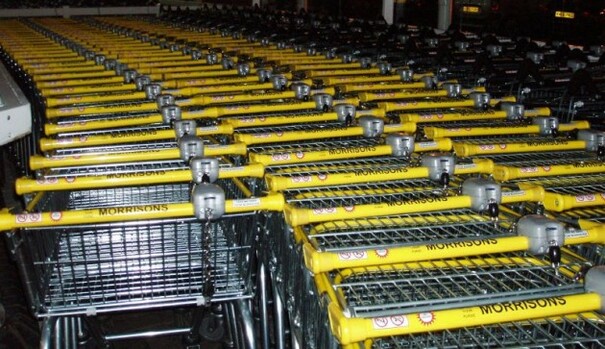
  • 1. The humble shopping trolley

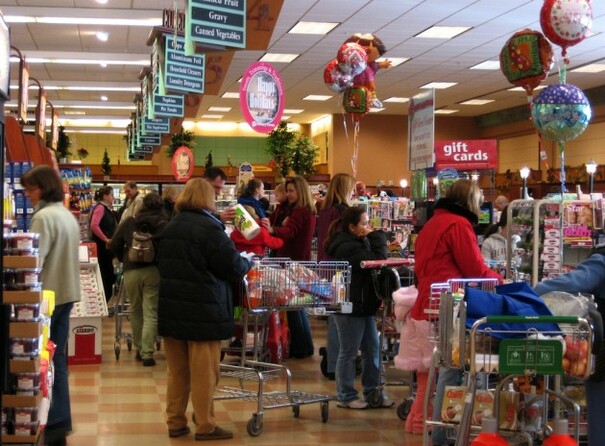
    The simple act of putting a giant basket on wheels was, believe it or not, a major landmark in the development of a mass consumer culture. Before the trolley came along, shoppers could only carry as many goods as they could carry in a basket – but the convenience added by the trolley, invented by Sylvan Goldman in 1937, was the key in turning supermarkets into giant emporiums where someone could stock up on all their needs for weeks at a time. Photo: http://www.flickr.com/photos/pikerslanefarm/2198063944/in/photostream/
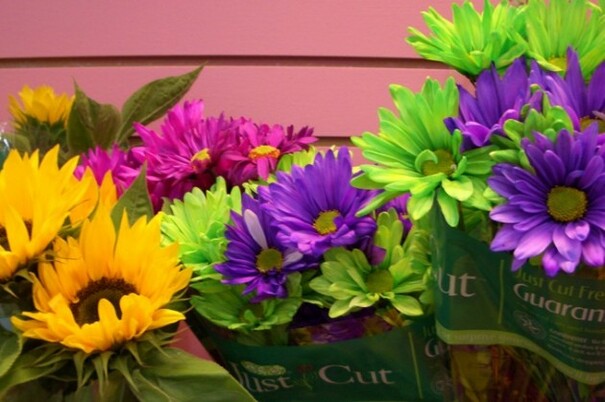
  • 2. High margin at the front

    The products that supermarkets make most profit on are the ones that they cultivate or manufacture themselves in some way. While the supermarket has to buy most of its products from a wholesaler, there are some products – like anything you’ll get in a bakery, for example – that the supermarket will make in-house. It’s no coincidence, therefore, that many supermarkets put a bakery just inside the entrance, or that they’ll leave their floral stands just at the entrance. If you encounter these products when your spirits are higher, the chances are you’ll buy them – and net a tidy mark-up for the supermarket. Photo: http://www.flickr.com/photos/14657061@N00/34343169/in/photostream/
  • 3. It's all about the smell

    There is, of course, a more obvious reason why the breads and flowers tend to go toward the front of the shop. The rich smells of flowers and baked goods are there to activate your salivary glands, which in turn mean you may be more likely to buy things on a whim. It’s also said that some supermarkets go a step further and deliberately pipe the smell of freshly-baked bread out onto the street – meaning that the very act of going into the supermarket in the first place could be, in itself, an at of impulse. Photo: http://www.flickr.com/photos/axio/2335261451/
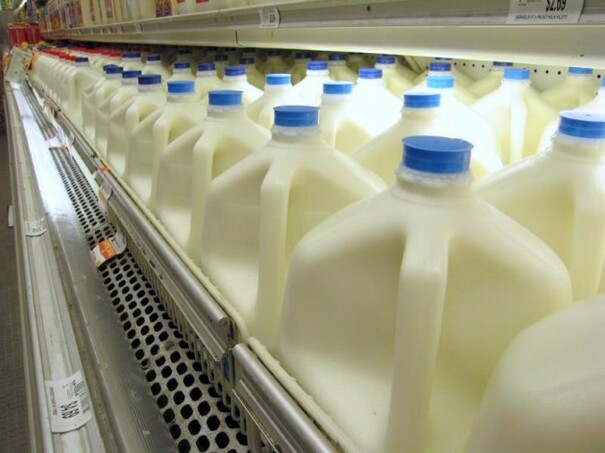
  • 4. The long way back

    Of course, supermarkets are so ten-a-penny these days that many people use them as a substitute for a local corner shop. And therein lies the other classic trick that supermarkets will pull: nipping down to the local supermarket to pick up a carton of milk? Expect to walk a while. Supermarkets always put daily necessities like milk as close to the back as possible, meaning you have to walk past all of their other offerings before you get to the precious milk. http://www.flickr.com/photos/lfl/2132323232/in/photostream/
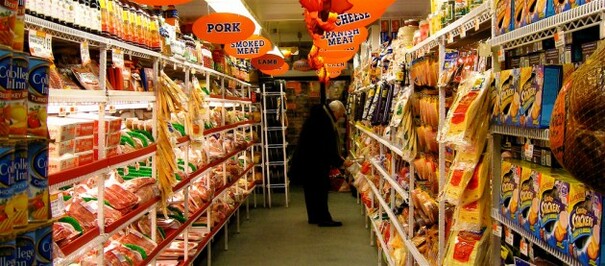
  • 5. Left, right, left, right…

    One of the things you may not have realised about supermarkets is that the shelf-stacking techniques they use is tied into your driving habits. You know how supermarkets tend to evolve a one-way-only system where you’ll naturally walk one way down the aisle, turn a corner and then proceed in the reverse direction down the next aisle? Knowing this habit, a supermarket will put the products it really wants to sell on the left-hand-side – because you’re more likely to gravitate to the left hand side of the aisle while you’re walking around. (Believe it or not, the same principle is true in the US where the more profitable products are stored on the right.) For supermarkets like Lidl and Aldi which operate the same stock layout in every shop, decisions like this are even more important. Photo: http://www.flickr.com/photos/specialkrb/3049748311/in/photostream/
  • 6. Making eye contact…

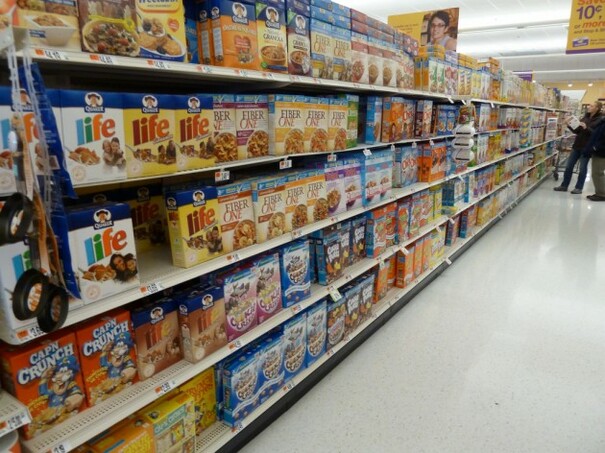
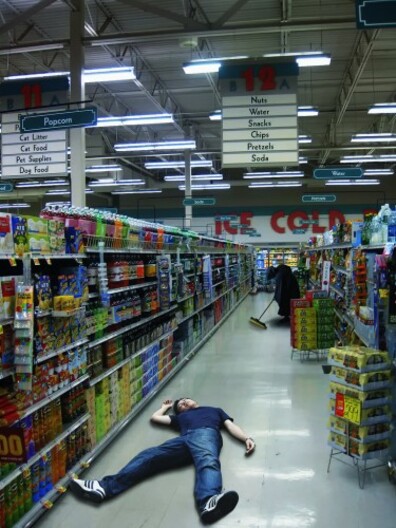
    Apart from which side of the aisle the products are kept on, there’s also the art of vertical stacking. Essentially, the products a shop wants to sell you are the ones which will be kept at your eye level. Imagine the cereal aisle: healthy stuff like muesli will be kept at the very top; bulk bland cereals at the bottom, and the expensive brand-name stuff will be kept right at an adults’ eye level… Photo: http://www.flickr.com/photos/mroach/5196749464/in/photostream/
  • 7. …with everyone, not just adults

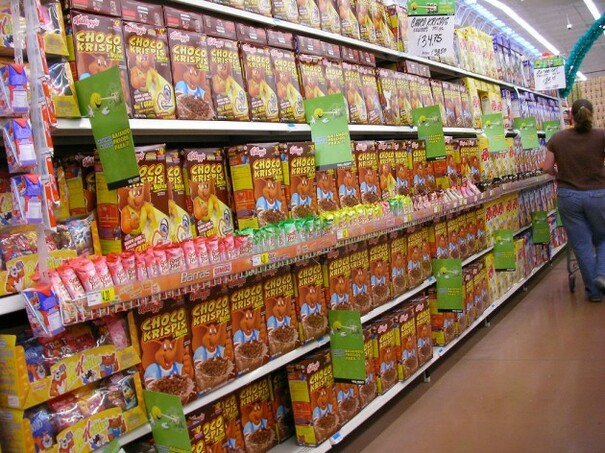
    …but this principle also extends to the less flush visitors to the shop too. Right underneath the expensive brand name cereals, you’ll find… the expensive, brand-name cereals aimed at children. Those cereals will be stocked at a child’s eye level so that the child will see the box and ask their parent to buy it. Photo: http://www.flickr.com/photos/ymimexico/1447537338/in/photostream/
  • 8. Price 'anchors'

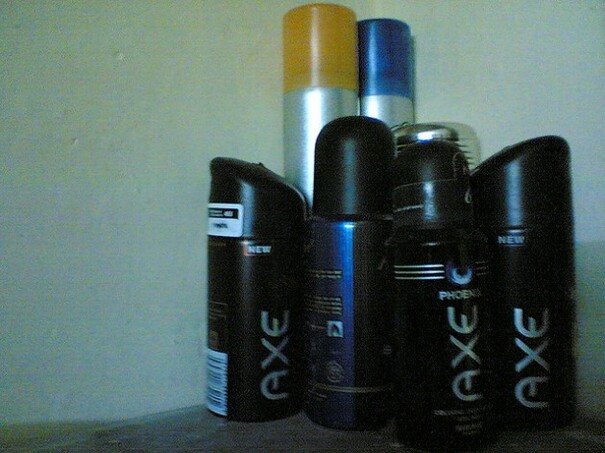
    There’s another hidden psychology that comes into play when you’re browsing through a series of similar objects. When you’re browsing through a selection of goods with slightly higher prices (like cereals or toiletries) you may often notice that there’s one product priced suspiciously highly. This is a deliberate ploy: the supermarket knows that there’s no obvious “correct” price for a can of deodorant – so it can feel free to charge whatever it likes. By putting one decoy product at the top price, the other products look better by comparison – meaning that shoppers will happily buy an expensive can of deodorant under the illusion they’re saving money, when in reality they’re spending more than they probably needed to. Photo: http://www.flickr.com/photos/ymimexico/1447537338/in/photostream/
  • 9. Free samples aren’t really free

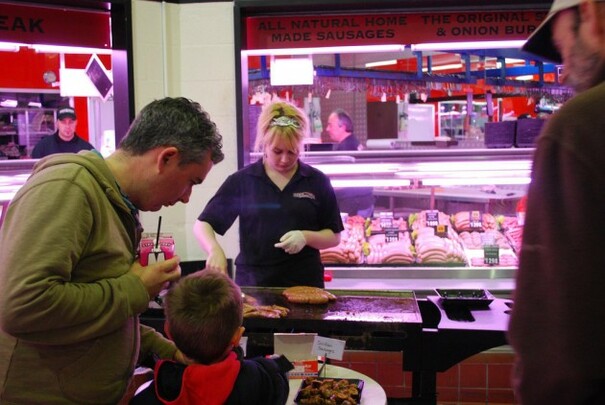
    Every so often your supermarket routine will be interrupted by someone offering you a free sample of something-or-other. While the obvious function of this is to try and expose you to new products, it also has another ulterior function. Next time you’re stopped for a free sample, have a quick look around and take note of the products on the shelves nearby: they’ll likely be the ones that the supermarket either enjoys a hefty mark-up on, or the ones with particularly elaborate packaging designed to immediately catch your eye. If you’re offered a free sample of a drink, you’ll take a sip and break eye contact with the salesperson as you taste it – and if your eye is caught by another shiny product, the chances are you’ll go back to it later. Photo: http://www.flickr.com/photos/avlxyz/4906877457/in/photostream/
  • 10. Size matters…

    If you’ve ever done your shopping in an older supermarket with narrower aisles, you’ll know that it’s a far less pleasant shopping experience. Compare those older supermarkets to the newer ones with oceans of free space, which feel like a luxury by comparison. There’s a basic psychology to this: if a supermarket feels crowded and shoppers under more pressure to get their stuff and leave, they’re less likely to spend more time browsing around. In 2002 some academics put this to the test – and found that when compared to Asians and Mediterraneans, British shoppers were the least tolerant of a crowded retail space. If that logic translates to Ireland, then you’ll understand why new supermarkets always seem to be that bit larger than they need to be. Photo: http://www.flickr.com/photos/24736216@N07/5042713148/in/photostream/
  • 11. …and so does colour

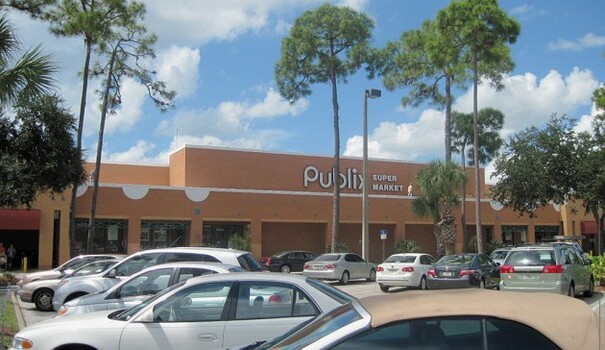
    On occasions where supermarkets aren’t in their own standalone buildings, but rather are part of a larger shopping centre, supermarkets have to make an extra effort to make themselves attractive to passers-by, so that they might casually drop in. They can use the other tactics we mentioned earlier – like piping the smell of bread into the main concourse – but another one is to place cool-coloured items close to the front. If you’re walking by and you see warmer colours on display just inside the door, you’re more likely to walk in. Even from the outside, nice cool red-brick colouring is more likely to have a shopper at ease before they walk in. Photo: http://www.flickr.com/photos/24736216@N07/5042713148/in/photostream/
  • 12. Muzak makes you take your time

    Many people don’t really pay much attention to the background noise in a supermarket unless there’s a public announcement. But whether they realise it or not, the general tempo of the background music will have an impact on how much time (and money) you spend in the shop. Louder music makes people more inclined to bop along – and, as a result, shorten the time they spend there. But more mellow music – or even classical – will make people hang around that little bit longer, and may lead them to spot a product they wouldn’t have noticed otherwise. (On a side note, one supermarket chain operating in Ireland plays pop songs in the background – but to save on royalties, it commissions sound-a-like versions which deliberately sound as close to the real thing as possible. Have you noticed which one it is?) Photo: http://www.flickr.com/photos/mobilestreetlife/4321735939/in/photostream/
  • 13. Feeling peckish?

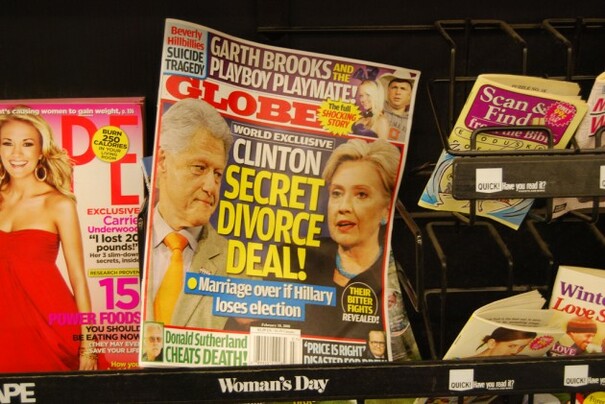
    Simple supermarket economics: if you feel like the shopping experience has been a draining one, then you’ll be thrilled to finally make it to the till… and are more likely to indulge yourself with some chocolate or a magazine, which will conveniently be left right beside the checkout. There’s also another aspect to this: if you regularly bring a child shopping, that child will know about the stash of sweets that sits beside the exit – and could end up demanding some snacks in exchange for their good behaviour. Photo: http://www.flickr.com/photos/ari/2251838768/in/photostream/

Reproduced in part, with permission, from Business Insider.

Read next:

Comments (2 Comments)

Add New Comment