
The Daily Edge uses cookies. By continuing to browse this site you are agreeing to our use of cookies. Click here to find out more »
Dublin: 11 °C Thursday 20 June, 2013

Wasabi, yawning, and needing to pee: the winners of the 2011 Ig Nobel prizes

The alternative annual prizes – honouring science that makes us laugh and think – are as off-the-wall as ever.

IT’S NOBEL PRIZE WEEK – with the world’s scientific communities coming together to honour those who have made landmark contributions to their respective noble fields.

Alongside those prizes, however, come a much more fun category – the Ig Nobel Prizes – which honour those who contribute to the sciences in ways that make us laugh, as well as ways that make us think.

Here’s a selection of the ten winners from this year’s prizes – and the reasons for their widely-hailed success. Among them: the perfect consistency of wasabi in order to use it as an ‘alarm’, and how needing to pee changes the way you think.

Wasabi, yawning, and needing to pee: the winners of the 2011 Ig Nobel prizes
1 / 10
  • Medicine Prize

    You may suspect that the panic of needing to urinate makes people make flawed decisions - making gut decisions based on the urgent need to pee. Teams in the Netherlands and Australia managed to simultaneously prove that needing to pee DOES make your decision-making poorer - but improves decisions in other regards.
  • Biology Prize

    Two Australian researchers noticed that a particular breed of beetle, the male buprestid, had a habit for mistaking beer bottles for females. Not only that, but it only happened with one particular type of 380ml 'stubbie' bottle. Photo: http://www.flickr.com/photos/garysoup/3447374338/
  • Physiology Prize

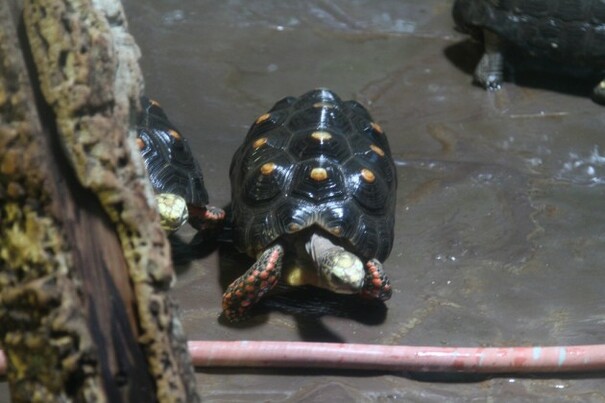
    An international team noticed that a group of red-footed tortoises all had the propensity to yawn at similar times. They wondered: is yawning contagious in red-footed tortoises? (The answer was no.) It was this inquisitive question that won them the Physiology gong. Photo: http://www.flickr.com/photos/jcapaldi/6019401001/
  • Public Safety Prize

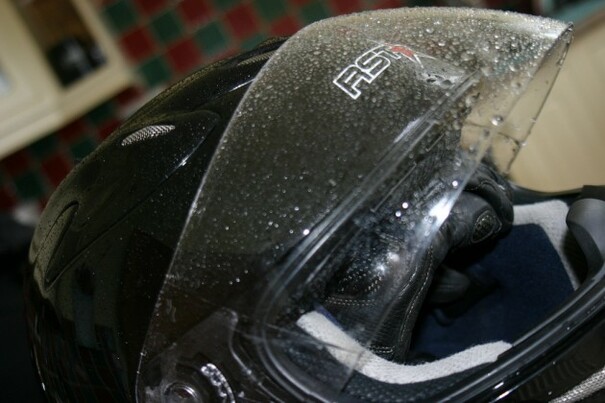
    Motorcycling can be dangerous - especially if riders have difficulty with their visors. But how would similar visors make it dangerous to drive in a full-blown car - with the visor repeatedly dropping down over your face? Photo: http://www.flickr.com/photos/44309024@N03/4998298692/
  • Chemistry Prize

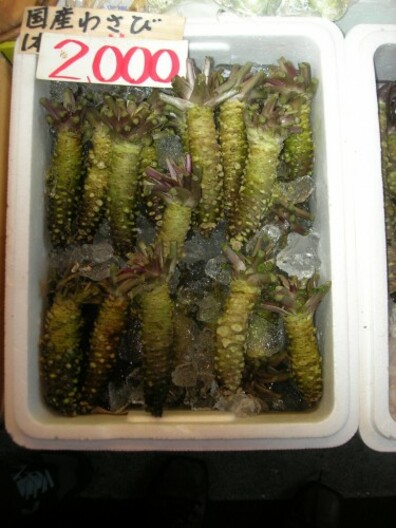
    You may be familiar with wasabi: the spicy Japanese horseradish dish. Seven Japanese researchers determined the 'ideal density of airborne wasabi' which could be blown into the air to wake people while they were asleep - a way of ensuring that heavy sleepers did not sleep through emergency alarms. Photo: http://www.flickr.com/photos/malias/366257379/
  • Psychology Prize

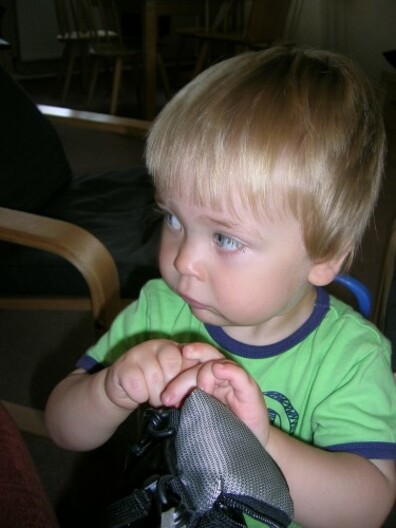
    "Is a sigh just a sigh?" That was the work of Karl Halvor Teigen, who examined whether there was a psychological or physical reason why people sighed when frustrated. Photo: http://www.flickr.com/photos/meemal/2837963842/
  • Literature Prize

    John Perry of Stanford University has come up with a "Theory of Structured Procrastination". It runs as follows: if you're procrastinating about something important, arrange something even MORE important. You'll always procrastinate about the most important thing, so you'll get to work on your original task. Photo: http://www.flickr.com/photos/superfantastic/2846551282
  • Mathematics Prize

    The Maths prize was shared between six people, including Harold Camping, for their not-very-accurate predictions about the end of the world. The organisers said their work showed that people needed to be careful when making mathematical assumptions. (AP Photo/Joe Cavaretta)
  • Physics Prize

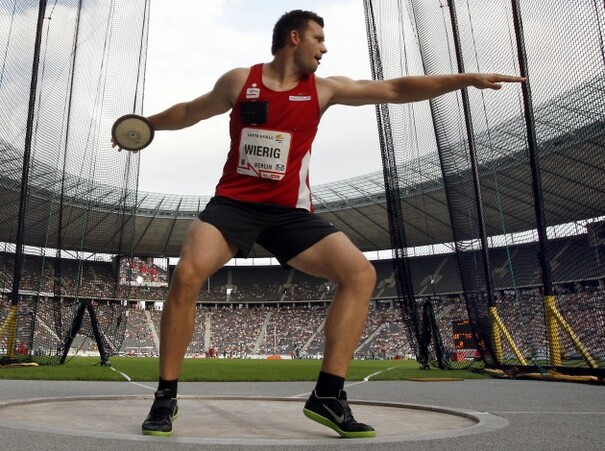
    Why do discus throwers become dizzy when they're in action, while hammer throwers - who spin just as much - don't? That was the problem examined by Philippe Perrin and Herman Kingma, who determined that it was down to a form of motion sickness. (Photo: PA)
  • Peace Prize

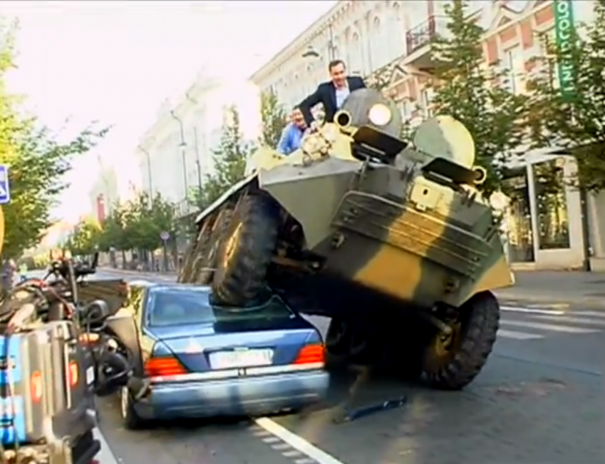
    You might remember Arturas Zuokas, because he's been here before - we featured him when he published a video of him driving over a double-parked Mercedes in an armoured car (http://jrnl.ie/191474). His practical demonstration of how to overcome illegal parking won him the Ig Nobel peace prize.

More details on the Ig Nobel winners, and links to their published research, can be found at the Ig Nobel website.

  • Share on Facebook
  • Email this article
  •  

Read next:

Comments (2 Comments)

Add New Comment